31 Best Ways to Clean Outdoor Cushions Without Damage

Summer weather brings dust, pollen, spills, and mildew straight to your patio furniture, so cushions need regular care. The best way to clean outdoor cushions without damaging them starts with knowing your fabric type before you touch a single drop of soap or water. Many people ruin cushion covers by using the wrong cleaner or scrubbing too hard, which weakens fibres and fades the colour over time. This guide walks through gentle, tested methods that protect fabric while lifting dirt, stains, and odours.
Whether you have a small balcony seating area or a full outdoor sofa set, clean cushions make every space feel more inviting. Below are 31 practical tips covering everyday maintenance, tough stain removal, mould prevention, and long-term storage. Each idea is simple enough to try this weekend with items you likely already own. Save this guide so you always have a fresh cleaning method on hand.
1. Check the Fabric Care Label First
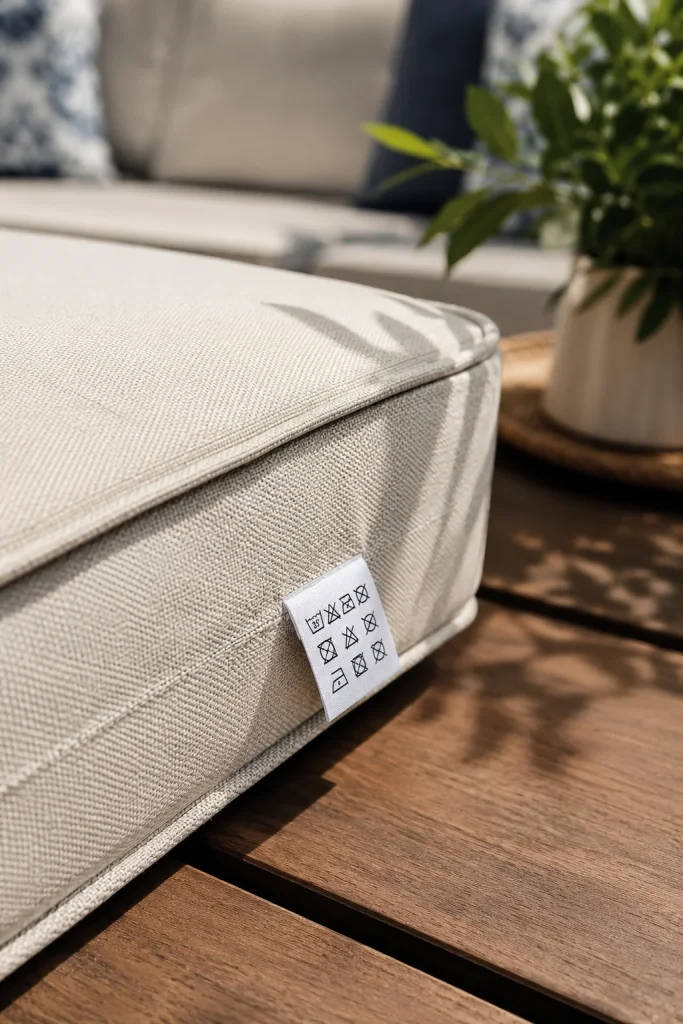
Every outdoor cushion cover comes with a small tag that explains what cleaners and water temperatures are safe to use. Skipping this step is one of the most common reasons cushions get damaged, since bleach or hot water can shrink certain fabrics. Take a photo of the label before it fades in the sun so you always have the instructions handy. This one habit saves your cushions from avoidable wear and tear.
2. Vacuum Cushions Before Washing
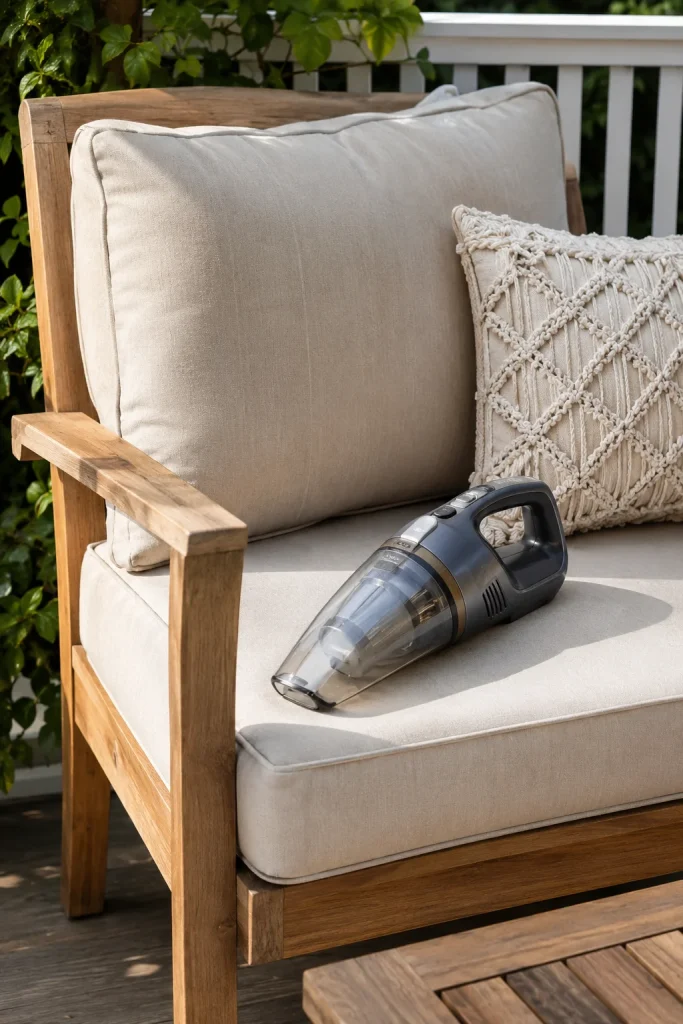
Loose dirt, leaves, and pollen accumulate on outdoor cushions and can turn into mud when water comes into contact with them. Using a handheld or upholstery vacuum attachment lifts this debris away before you apply any cleaning solution. This simple pre-cleaning step also stops grit from scratching the fabric fibres during scrubbing. It takes only a few minutes but makes every later step more effective.
3. Shake Cushions Out Regularly
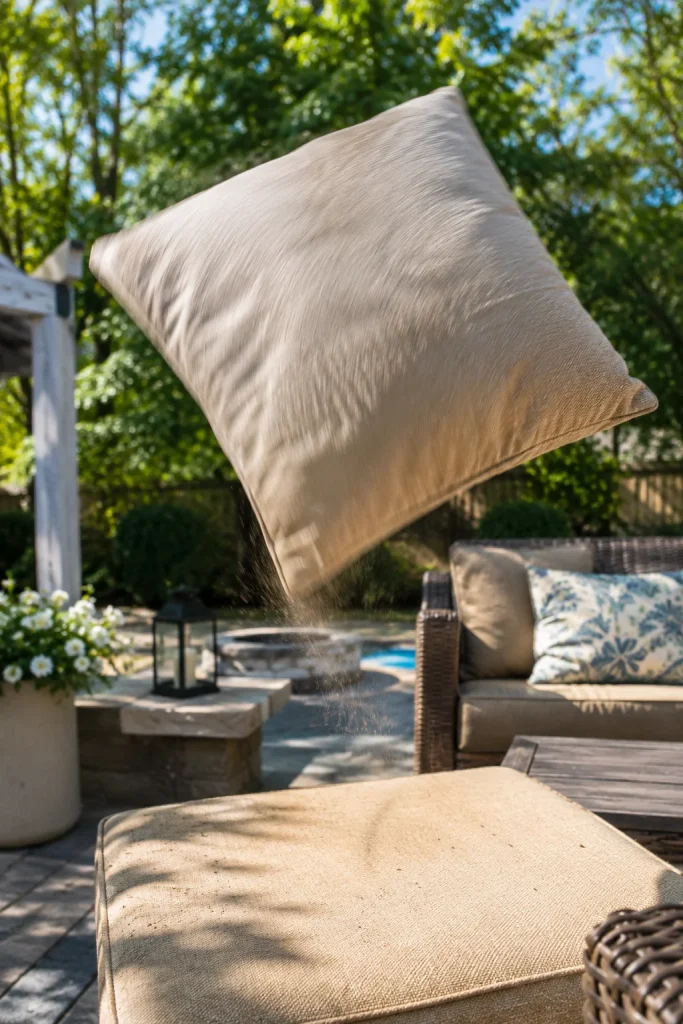
A quick shake outdoors removes crumbs, dust, and small debris before they settle deep into the fabric weave. This habit works best when done weekly, especially during pollen season or after windy days. It keeps cushions looking fresh between deeper cleanings and reduces the frequency of soap-and-water cleanings. Regular shaking also helps prevent musty smells from building up.
4. Make a Gentle Soap and Water Solution
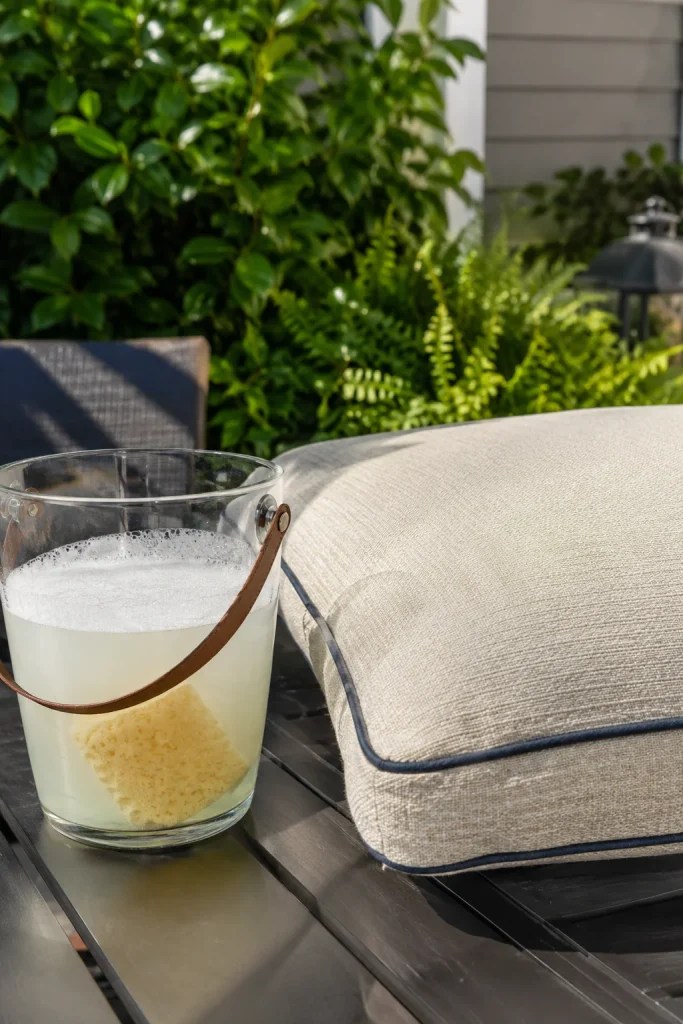
A mixture of mild dish soap and lukewarm water works for most everyday stains on outdoor cushions without stripping colour or coating. Fill a bucket, dip a soft sponge, and work the solution into the fabric using gentle circular motions. Avoid soaking the foam insert, since trapped moisture can lead to mould growth. Rinse thoroughly and let the cushion air dry completely before use.
5. Spot Test Any Cleaner Before Full Use
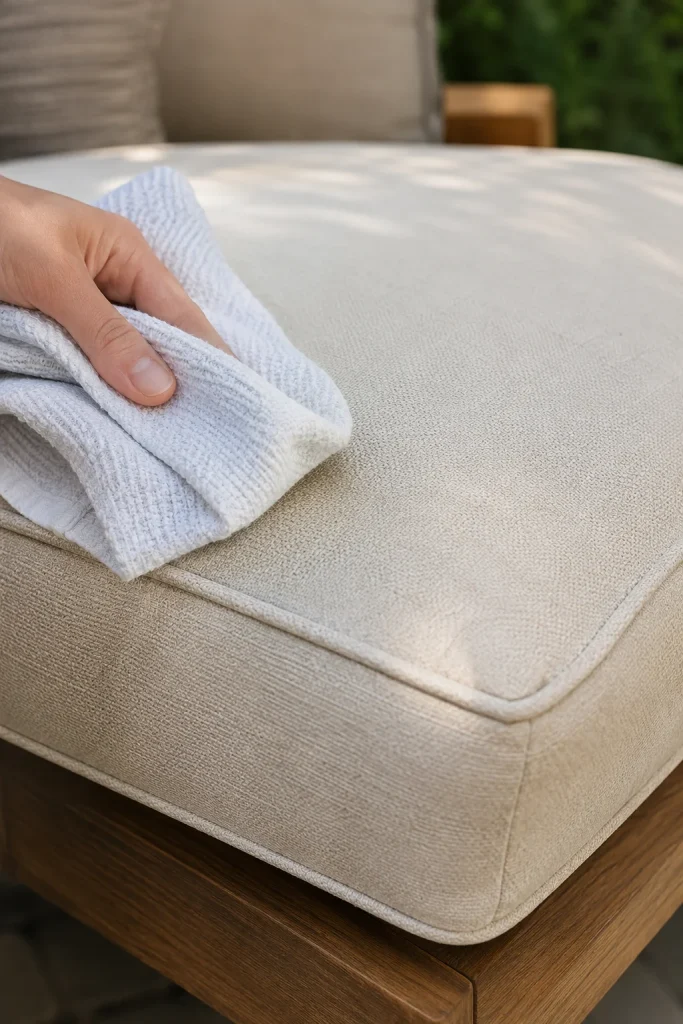
Before applying any cleaning product across the whole cushion, test it on a hidden corner or the underside first. Wait fifteen minutes to check for colour fading, texture changes, or fabric damage. This small step prevents costly mistakes, especially with patterned or dark-colored outdoor fabrics. If the spot test looks fine, you can move forward with confidence.
6. Use a Soft-Bristle Brush for Stubborn Dirt
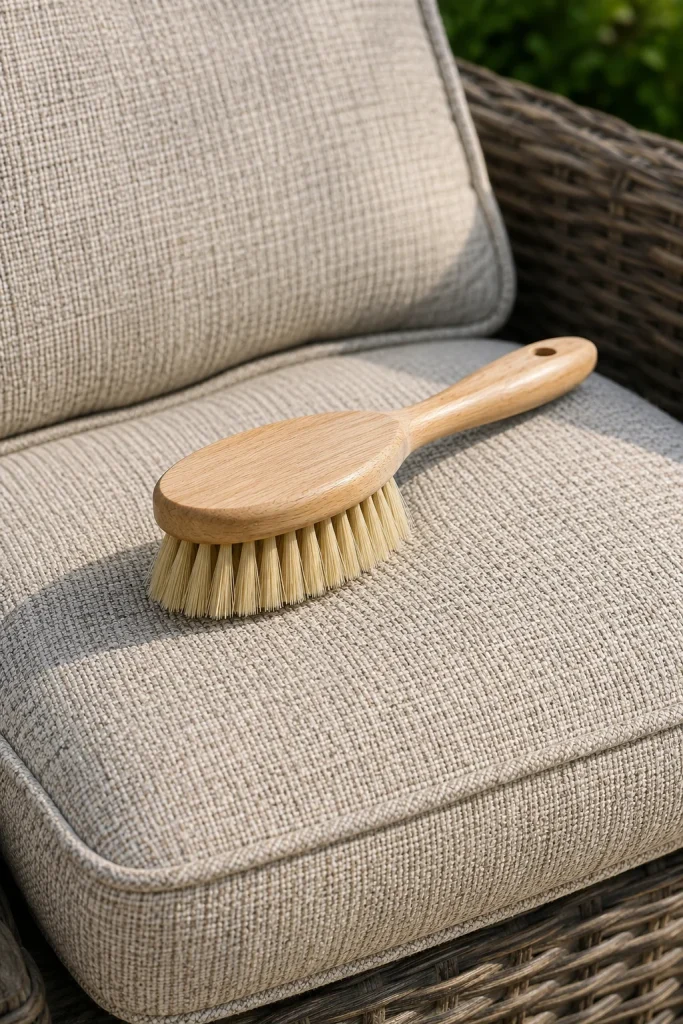
For dried mud or ground-in dirt, a soft-bristle brush works better than a sponge because it lifts particles without tearing fibres. Brush in one direction rather than scrubbing back and forth, which can fray the weave over time. Pair the brush with your soap solution for the best results on textured outdoor fabrics. Rinse well afterwards to remove any leftover residue.
7. Treat Bird Droppings Right Away
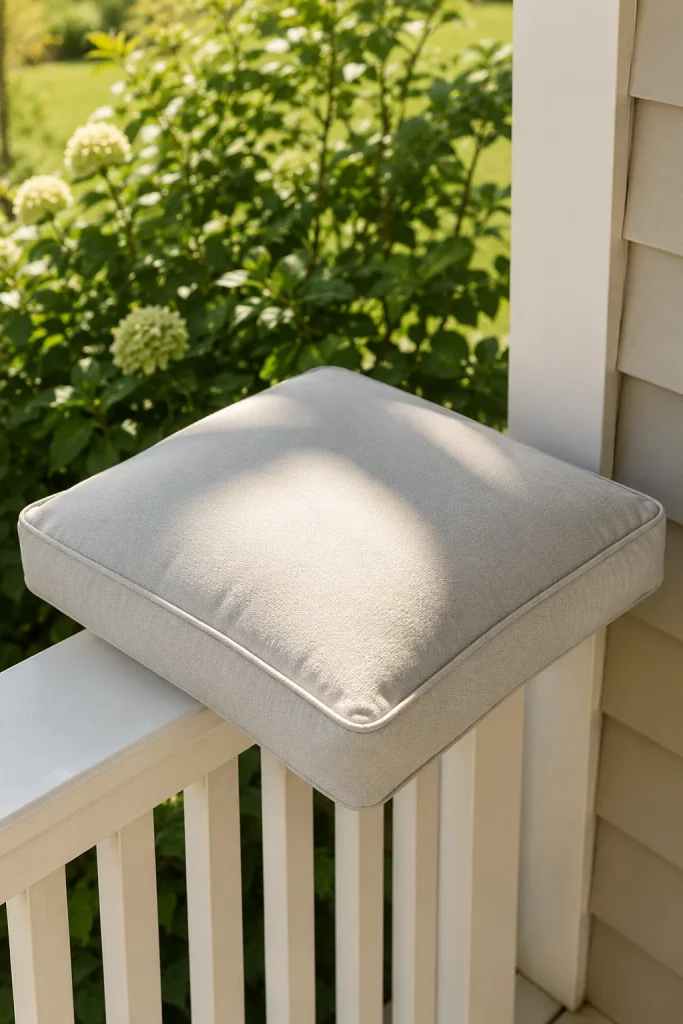
Bird droppings contain acids that can stain and weaken outdoor fabric if left to sit in the sun. Scrape off excess material gently with a plastic spatula, then clean the area with a mild soap solution. Acting quickly prevents the stain from permanently setting into the fibres. Rinse thoroughly and allow the spot to dry in shade rather than direct sunlight.
8. Remove Grease and Food Stains with Baking Soda
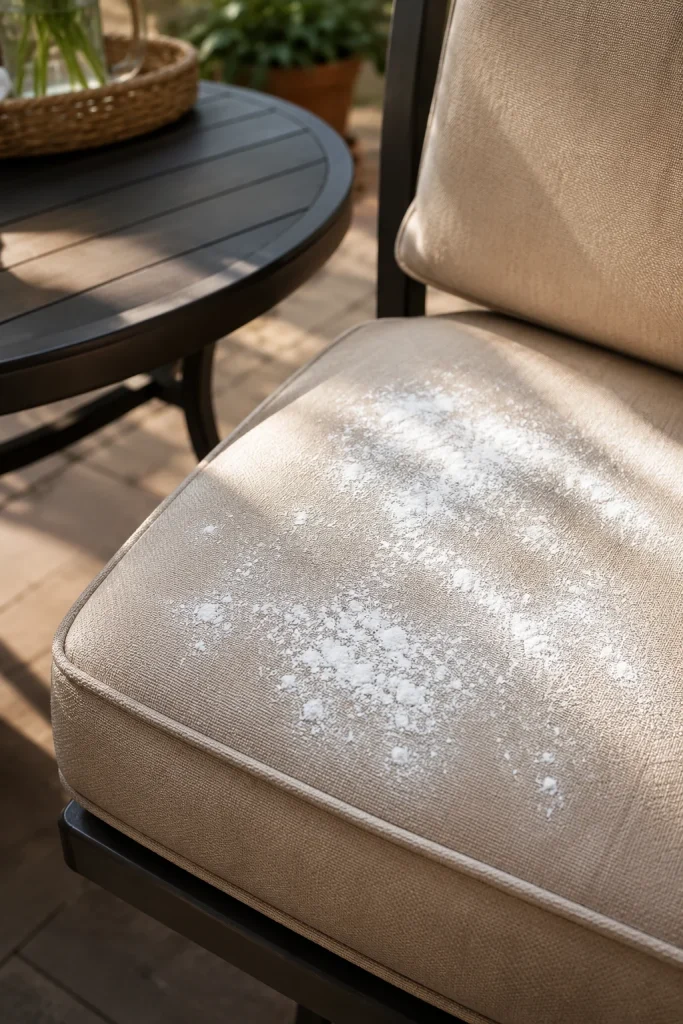
Baking soda absorbs grease and oil from food spills before they soak deeper into the fabric. Sprinkle a generous layer over the stain, let it sit for fifteen minutes, then brush it away and clean with soap and water. This method works especially well for barbecue and cooking area cushions. Repeat if needed for older or larger stains.
9. Tackle Mould and Mildew with Vinegar Solution
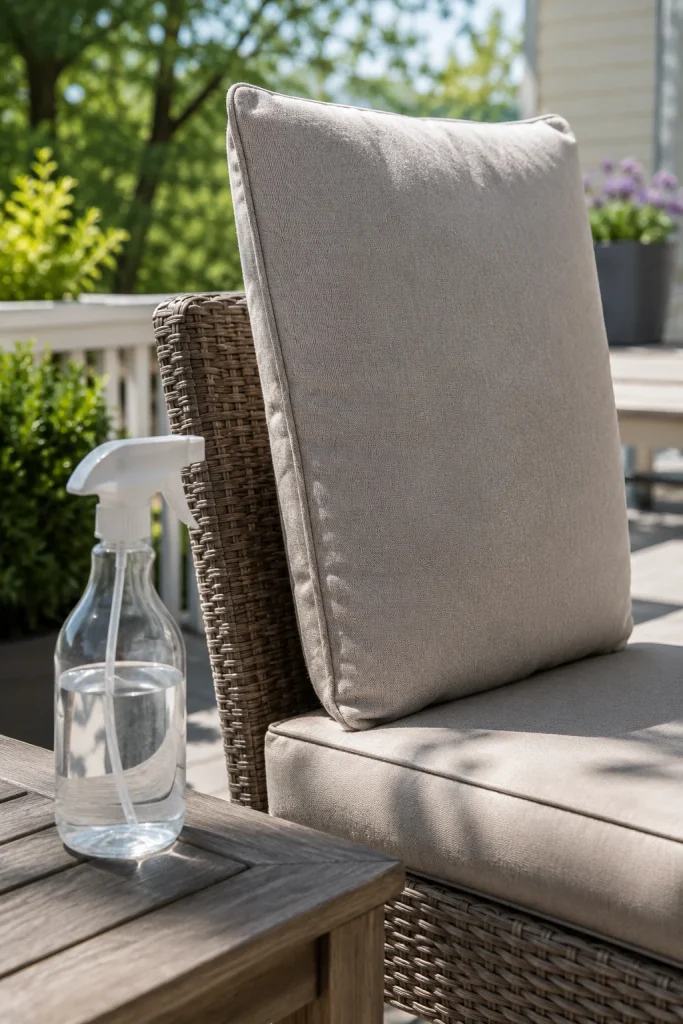
A mixture of white vinegar and water breaks down mould spores without harsh chemicals that could damage outdoor fabric coatings. Spray the solution directly onto the affected areas, let it sit for 10 minutes, then scrub gently with a soft brush. Vinegar also neutralises musty odours often associated with mildew growth. Always dry cushions fully in sunlight afterwards to prevent regrowth.
10. Use Hydrogen Peroxide for Tough Stains
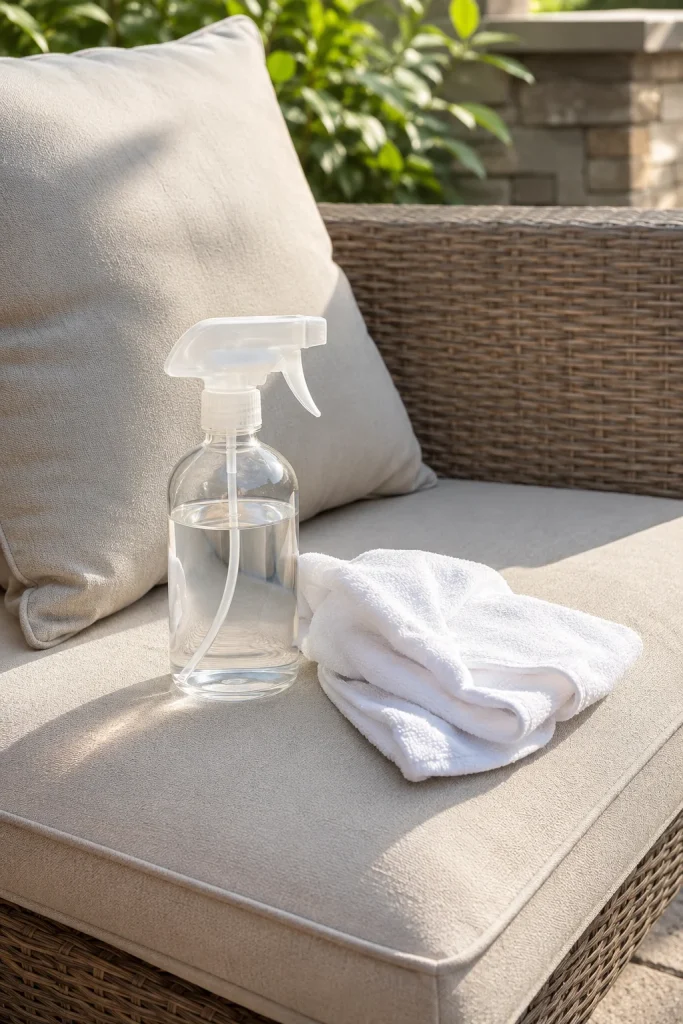
For stubborn stains that soap and water cannot remove, a diluted hydrogen peroxide solution can safely lift discolouration on most light-coloured fabrics. Apply with a spray bottle, let it sit briefly, then blot with a clean cloth rather than rubbing. Always spot-test first, since peroxide can lighten certain dyes. Rinse well to keep the fabric feeling soft.
11. Avoid Bleach on Colored Fabrics
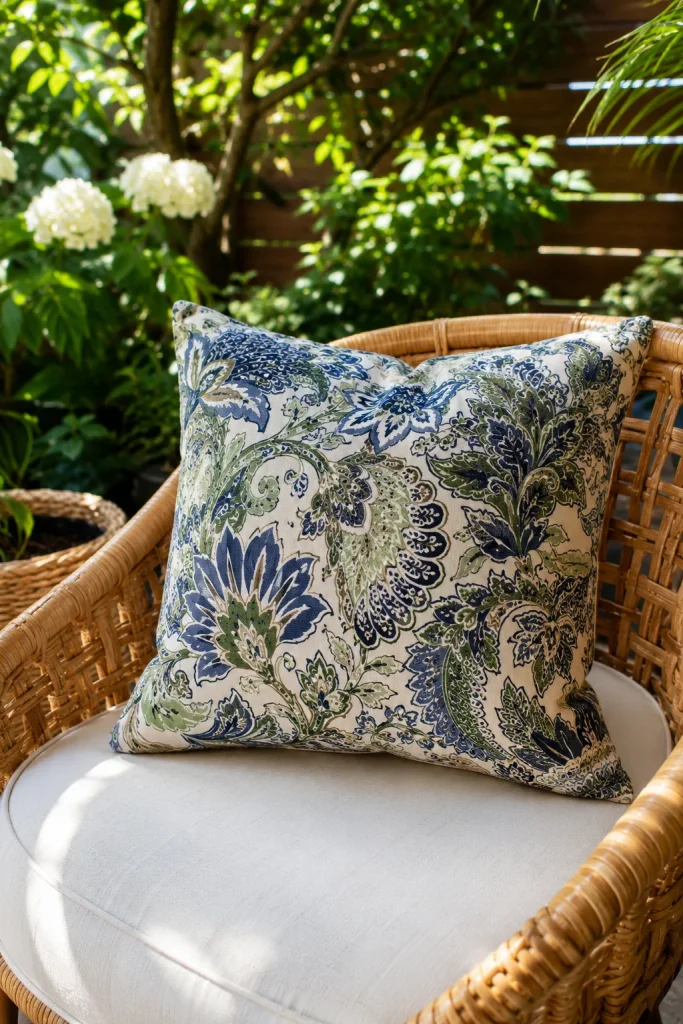
Bleach may seem like a quick fix for stains, but it often strips colour and weakens fibres on anything other than solid white fabric. If your cushion covers are patterned or dyed, stick to oxygen-based cleaners, which are gentler on colour. Always check the manufacturer’s label before using any bleach product. This small precaution protects your investment for years to come.
12. Rinse Thoroughly After Every Cleaning
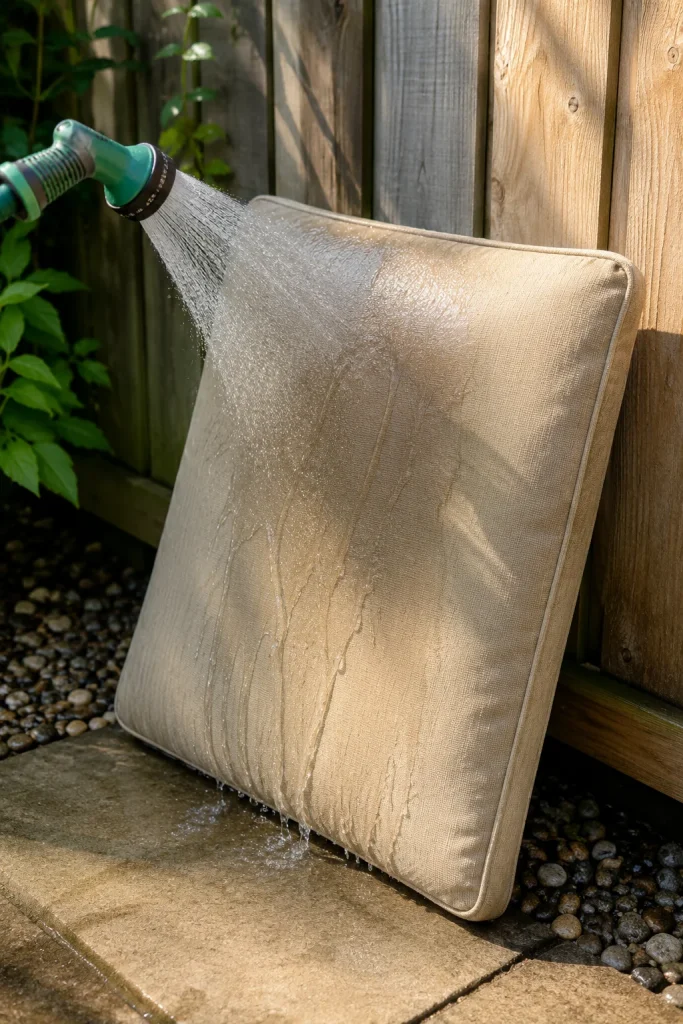
Leftover soap residue attracts dirt faster and can leave cushions feeling stiff once dry. Use a garden hose on a gentle setting to rinse cushions completely after any cleaning session. Make sure water runs clear before moving to the drying stage. This step keeps fabric soft and prevents future staining.
13. Air Dry Cushions Standing Upright
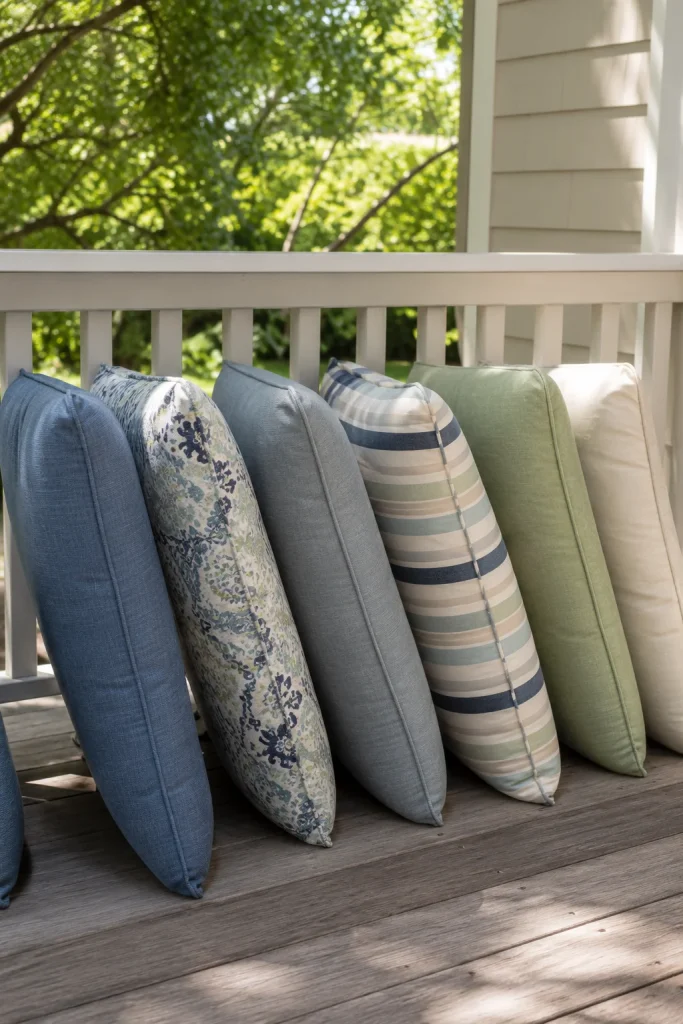
Standing cushions upright after washing allows water to drain evenly and significantly speeds up drying time. Lay them flat only briefly to prevent water pooling inside the foam. Choose a shaded, breezy spot rather than direct harsh sun for the first hour of drying. This method reduces the risk of mould forming inside the cushion core.
14. Squeeze Out Excess Water Gently
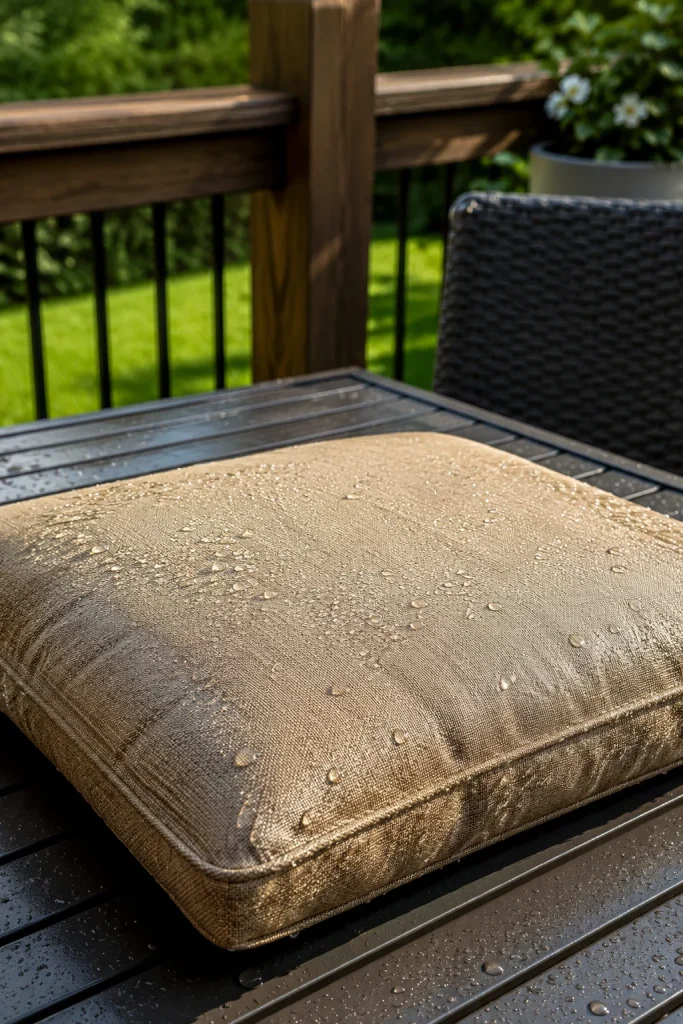
Wringing outdoor cushions the way you would a towel can permanently damage the internal foam structure. Instead, press down gently with flat hands to push out excess water without twisting the fabric. This preserves the cushion’s shape and support over time. Follow with upright air drying for best results.
15. Use a Wet-Dry Vacuum for Faster Drying
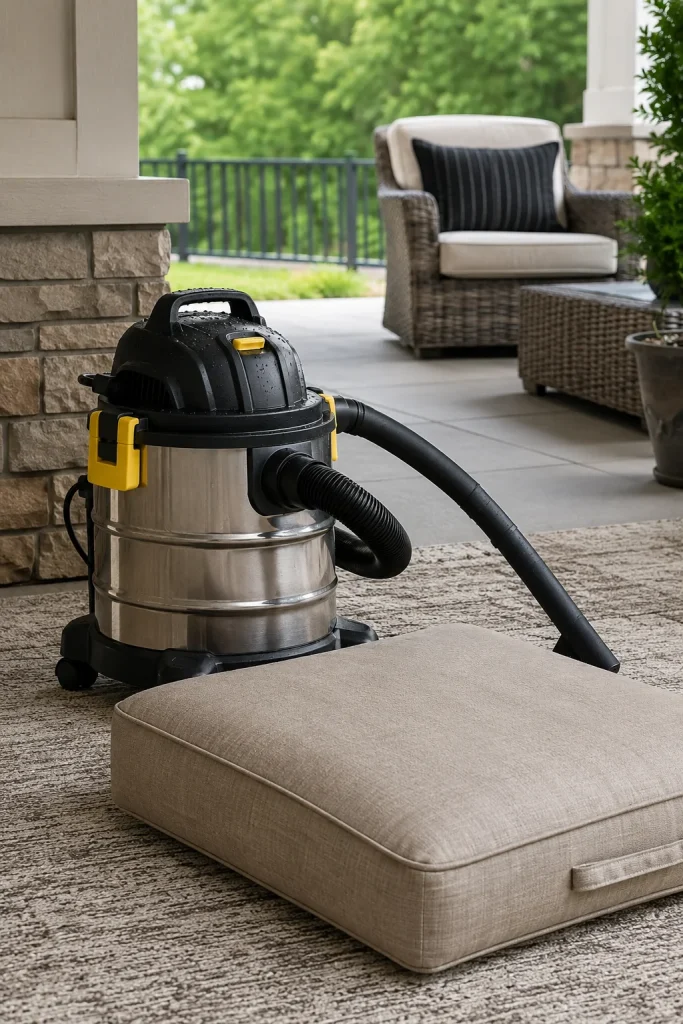
A wet-dry shop vacuum can pull moisture out of thick foam inserts much faster than air alone. Run the vacuum nozzle slowly over both sides of the cushion after rinsing to draw out trapped water. This method is especially helpful in humid climates where cushions take longer to dry naturally. Finish with a few hours of upright airing to complete the process.
16. Clean Removable Covers Separately
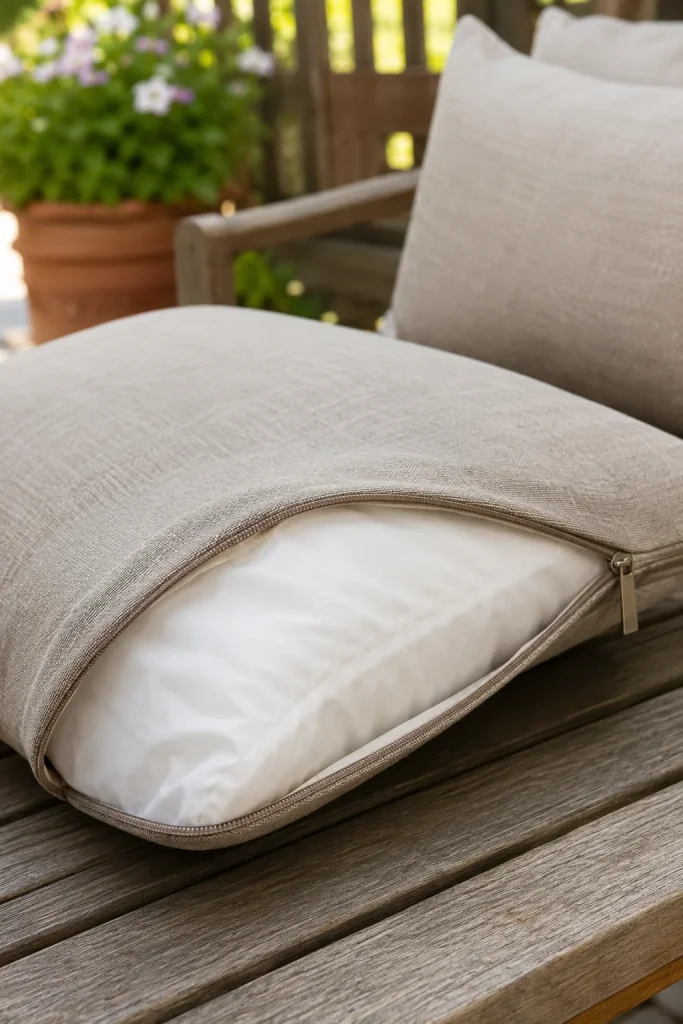
If your cushion covers unzip, always clean them apart from the foam insert for a deeper, more thorough wash. Many covers can be machine-washed on a gentle cycle with cold water, though handwashing is safer for delicate fabrics. Check zippers and seams for wear before washing to avoid further damage. Reattach covers only once both pieces are completely dry.
17. Hand Wash Delicate or Woven Fabrics
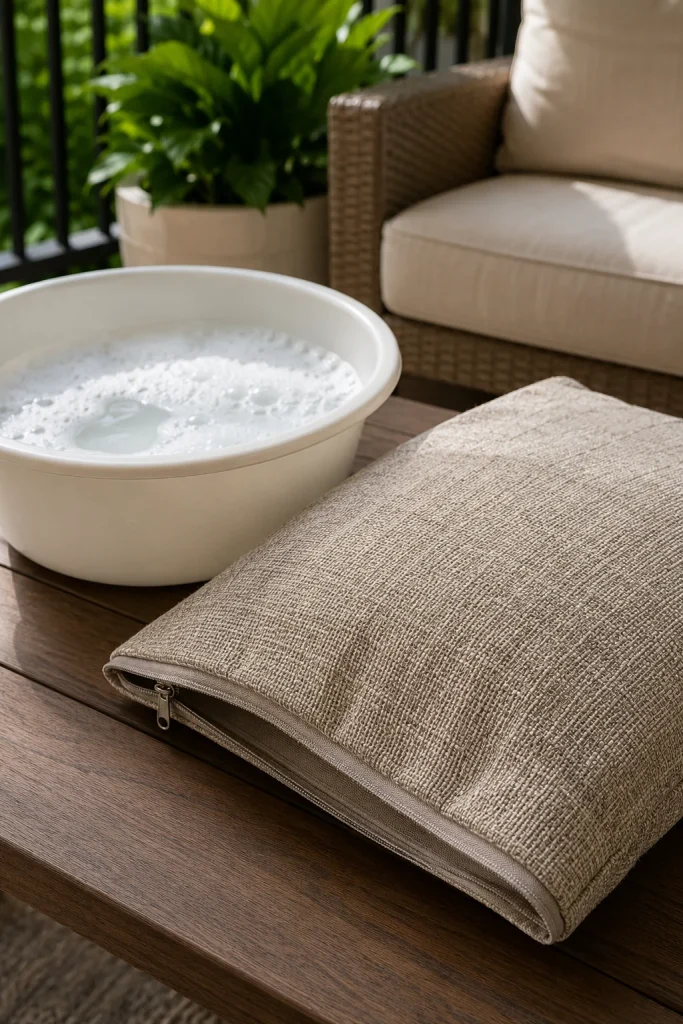
Some textured or woven outdoor fabrics do better with hand washing than machine cycles, which can pull threads loose. Fill a basin with lukewarm water and mild detergent, then gently agitate the cover by hand. Rinse in clean water until no soap remains visible. This gentler approach extends the life of speciality fabrics.
18. Apply Fabric Protector Spray After Cleaning
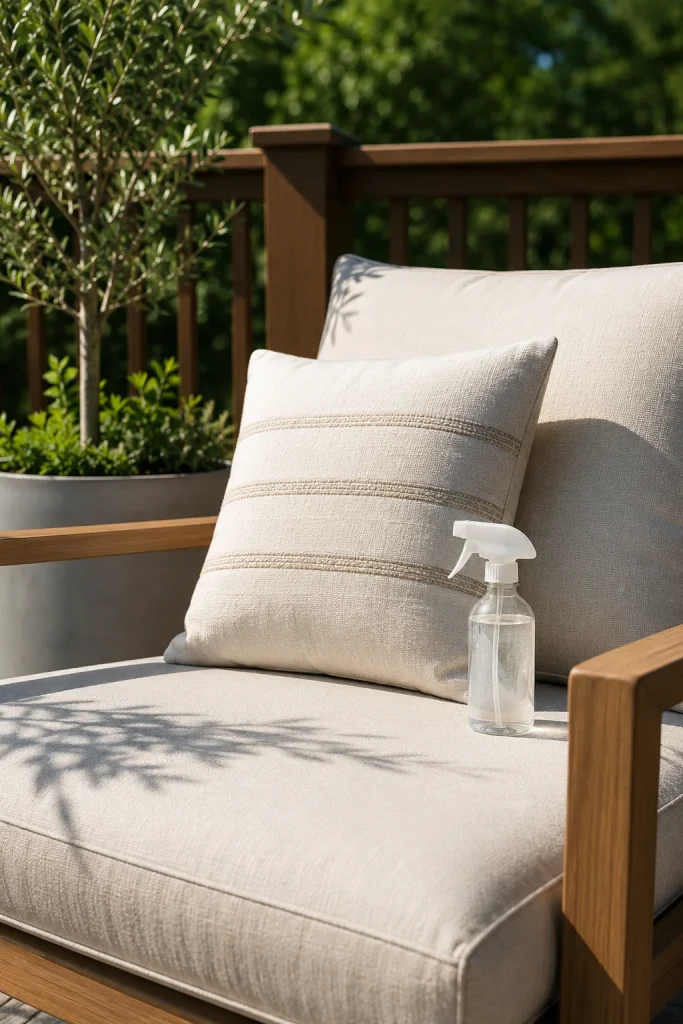
Once cushions are completely clean and dry, a fabric protector spray adds a water-resistant layer that repels future stains and moisture. Apply an even coat outdoors in a well-ventilated area, following the product’s drying time instructions. This extra step makes future spills easier to wipe away before they set in. Reapply every few months for continued protection.
19. Rotate Cushions to Prevent Uneven Wear
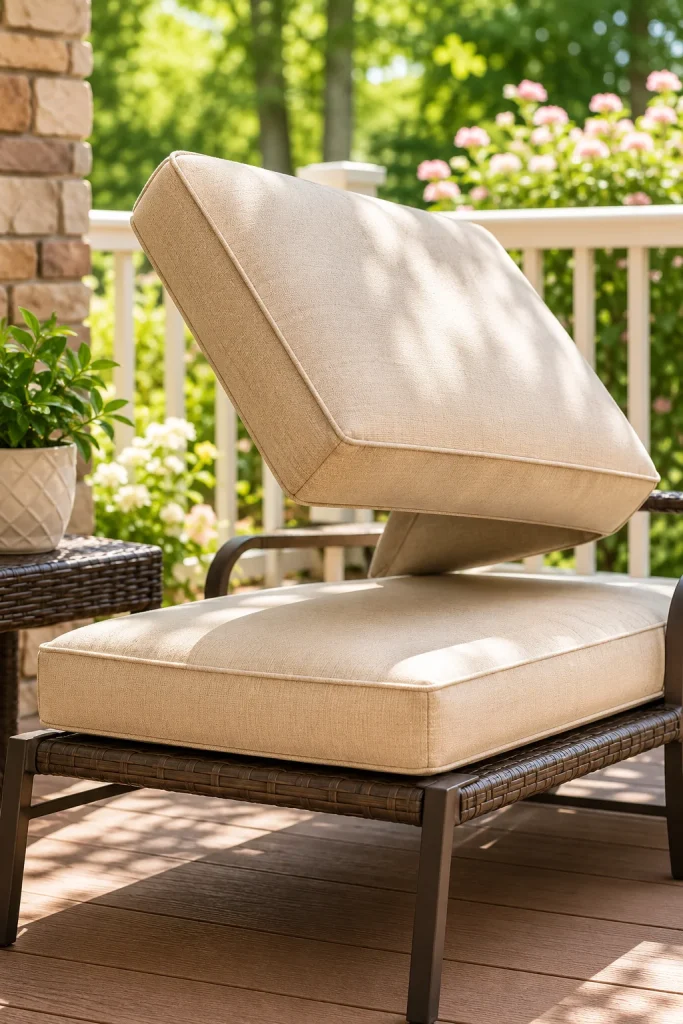
Sun exposure and regular use can cause one side of a cushion to fade or flatten faster than the other over time. Rotating and flipping cushions every couple of weeks helps even out wear and keeps the colour even across the whole surface. This habit also gives you a chance to spot early signs of dirt or mildew. It is a small effort with a noticeable payoff.
20. Store Cushions During Rainy Seasons
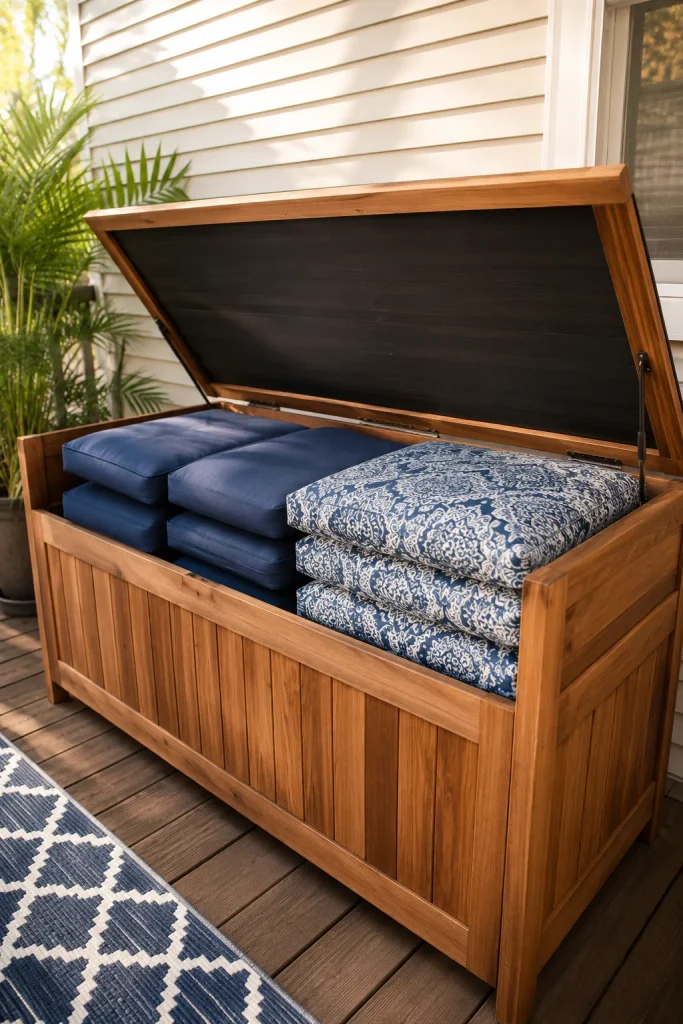
Repeated soaking during rainy weeks speeds up fabric breakdown and increases the chance of mould forming inside the foam. Bring cushions indoors or into a covered storage box whenever heavy rain is expected. A simple storage bench doubles as both seating and protection for your outdoor textiles. This habit alone can add years to a cushion’s lifespan.
21. Use a Cushion Storage Bag for Winter
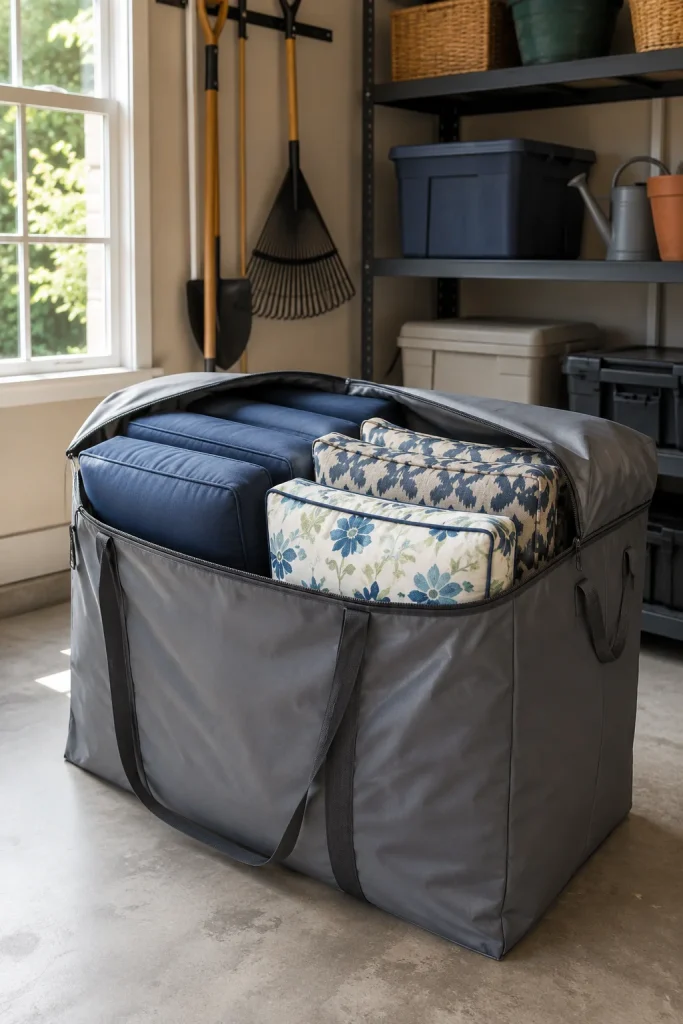
Before cold weather sets in, place clean and fully dry cushions inside breathable storage bags to protect them from dust and pests. Choose bags with some airflow rather than fully sealed plastic, which can trap moisture and cause mildew. Label each bag by furniture set to speed up spring setup. This keeps cushions ready to use again as soon as the weather warms.
22. Clean Cushions Before Long-Term Storage
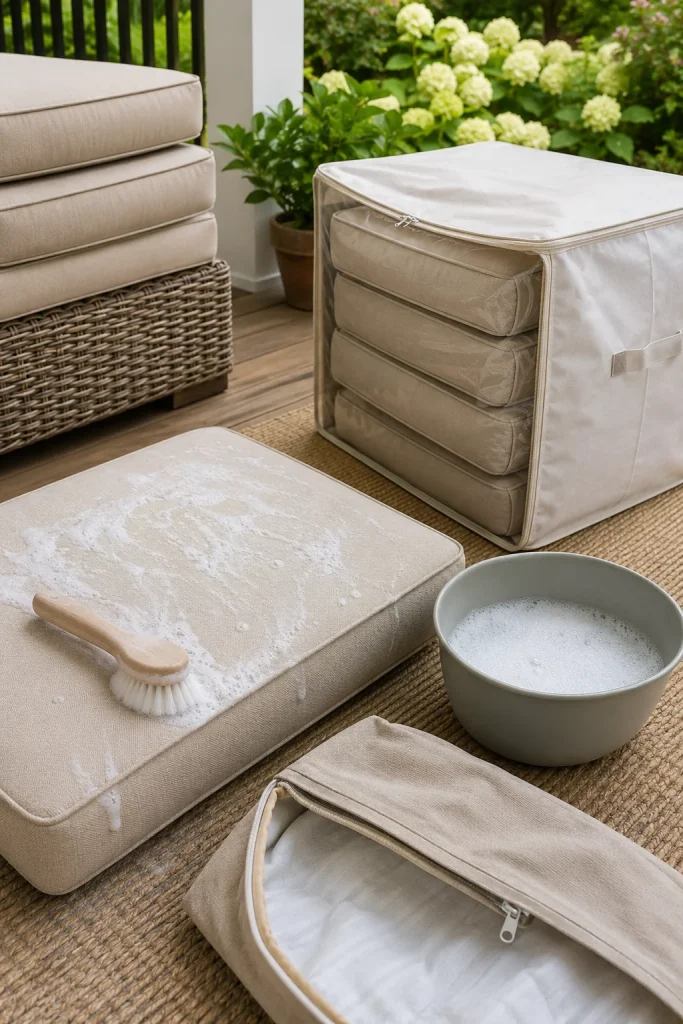
Never store cushions while they are still dirty or damp, as trapped moisture and grime can lead to mould growth over time. Always wash, rinse, and fully dry cushions before packing them away for the season. This extra step at the end of summer saves a lot of cleaning work in spring. A clean cushion also smells fresher when you take it back out.
23. Use a Steam Cleaner for Deep Sanitising
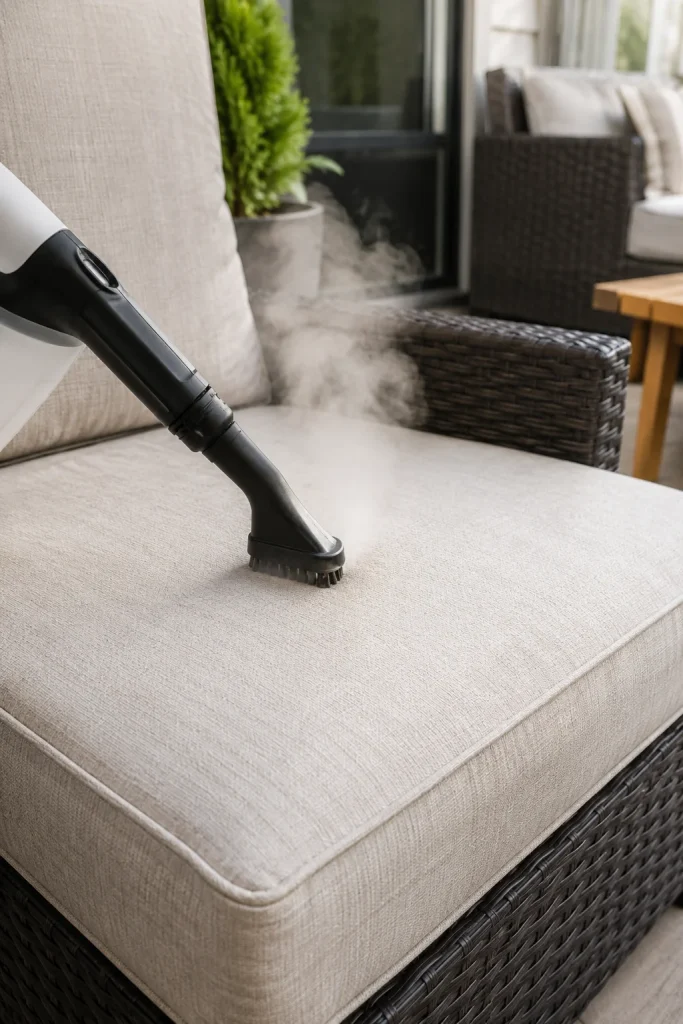
A handheld steam cleaner can sanitise outdoor cushions without soaking them, which is helpful for fabrics sensitive to heavy water use. The heat kills bacteria and dust mites while loosening light surface dirt. Move the steamer slowly and evenly across the fabric to avoid overheating any single spot. Let cushions air out fully before placing them back on furniture.
24. Treat Rust Stains from Metal Furniture
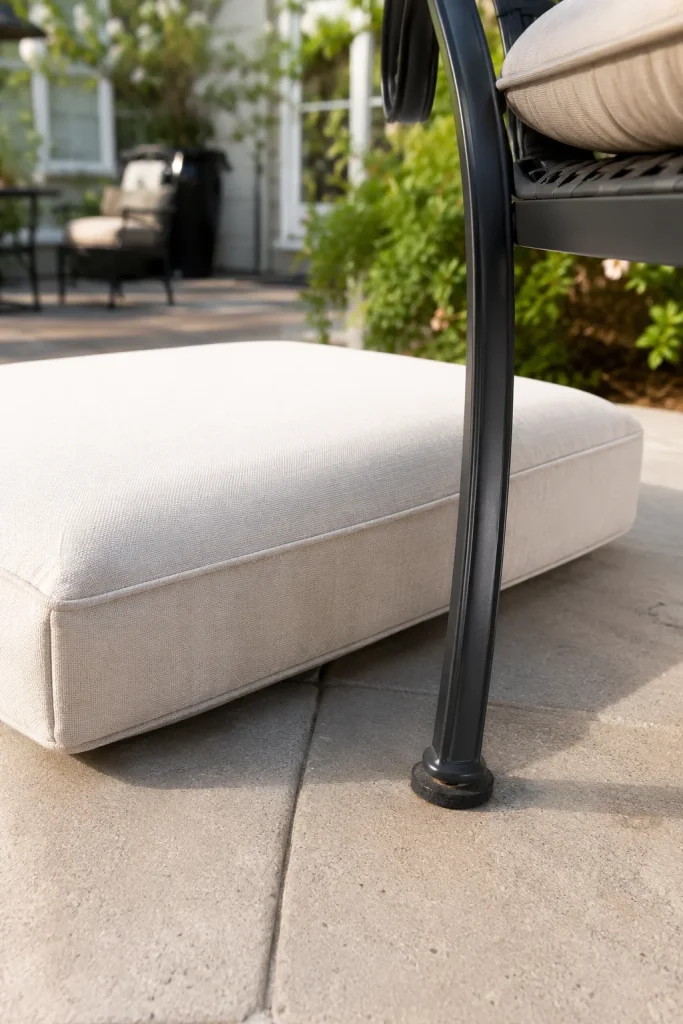
Rust marks from metal chair frames can transfer onto light-colored cushions and are trickier to remove than regular dirt. A paste made from lemon juice and salt, applied directly to the stain and left for 10 minutes, can help lift rust naturally. Rinse thoroughly afterwards and check that no acidic residue remains on the fabric. Placing furniture pads under metal legs helps prevent this issue in the future.
25. Deodorise Cushions with Baking Soda Soak
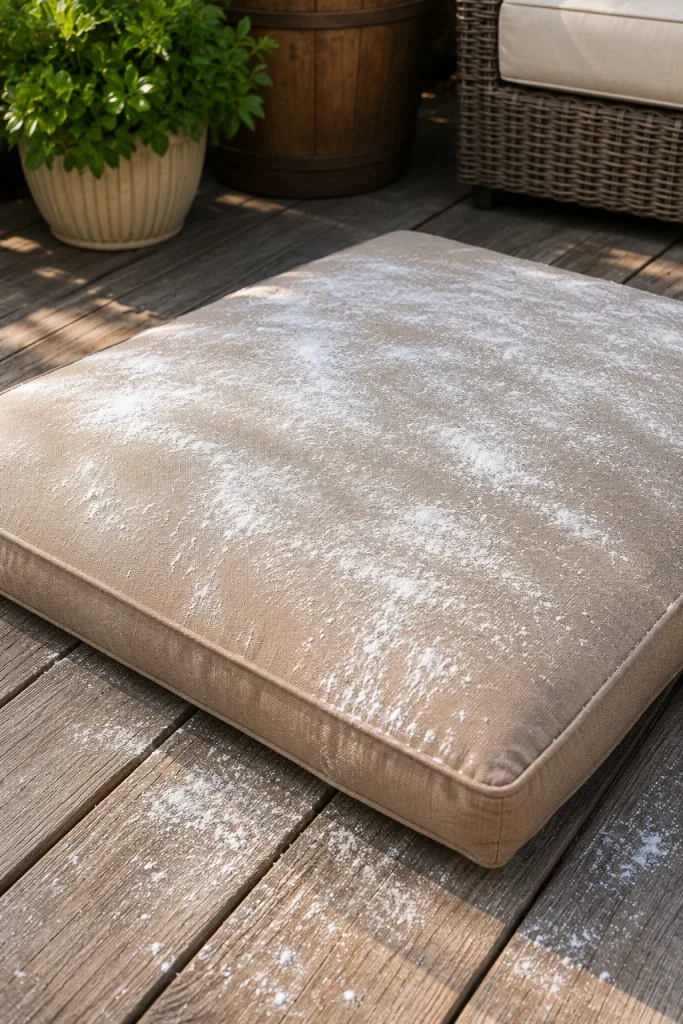
Outdoor cushions can pick up musty smells from humidity even without visible stains or mould. Sprinkling baking soda over the entire surface and letting it sit for a few hours helps naturally absorb trapped odours. Vacuum or brush it off afterwards before storing or using the cushion again. This method works well as a quick refresh between deeper cleanings.
26. Avoid Direct High Heat When Drying
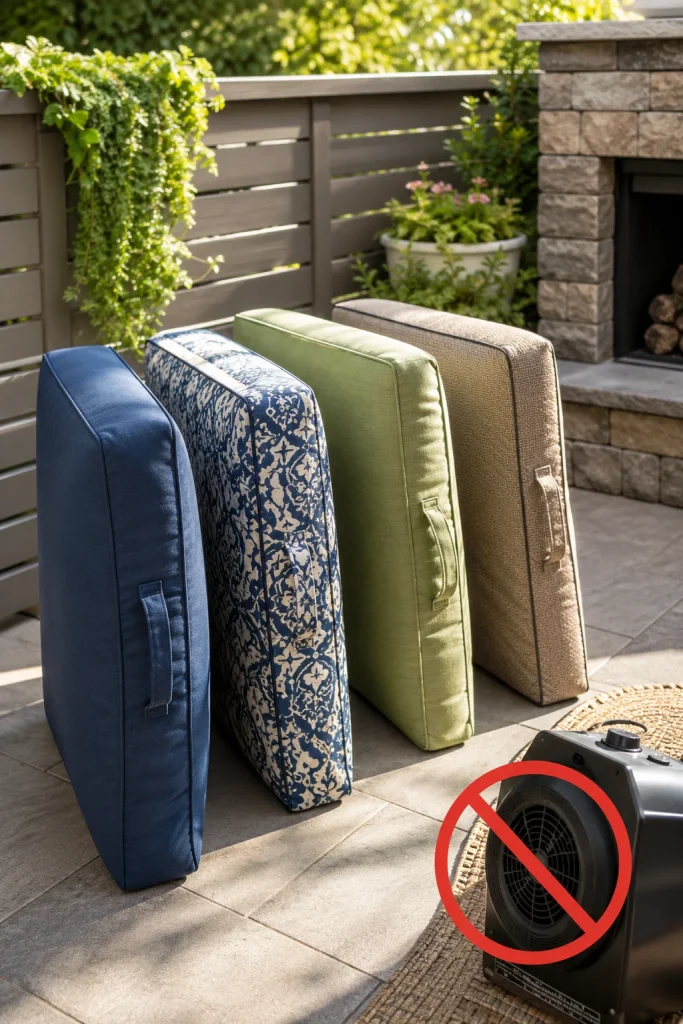
Placing cushions too close to strong heat sources or leaving them in intense midday sun for hours can cause fading and fabric stiffness. Choose a partially shaded spot with good airflow for faster, gentler drying instead. This protects the colour and texture of the outdoor fabric in the long term. Patience here pays off with cushions that stay vibrant longer.
27. Choose Quick-Dry Foam Cushions for Easier Care
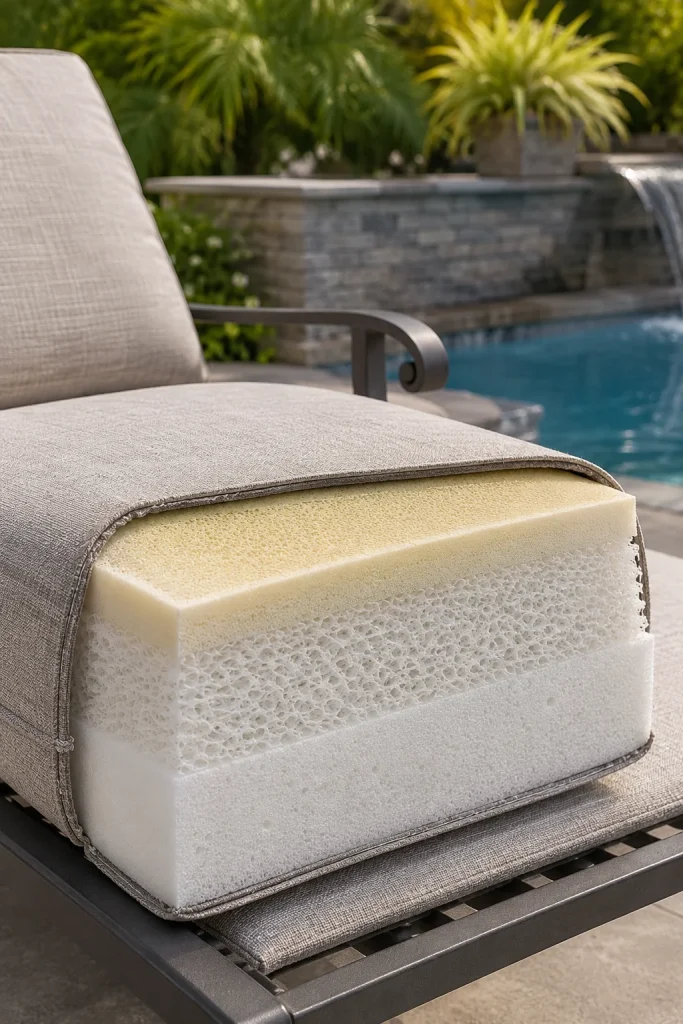
If you are shopping for new cushions, quick-dry foam with drainage channels makes future cleaning far simpler than traditional dense foam. Water passes through rather than pooling inside, significantly reducing mould risk. This upgrade is especially worth considering for poolside or high-rain areas. Investing in the right materials upfront saves cleaning effort every season after.
28. Keep a Cleaning Kit Ready on Your Patio
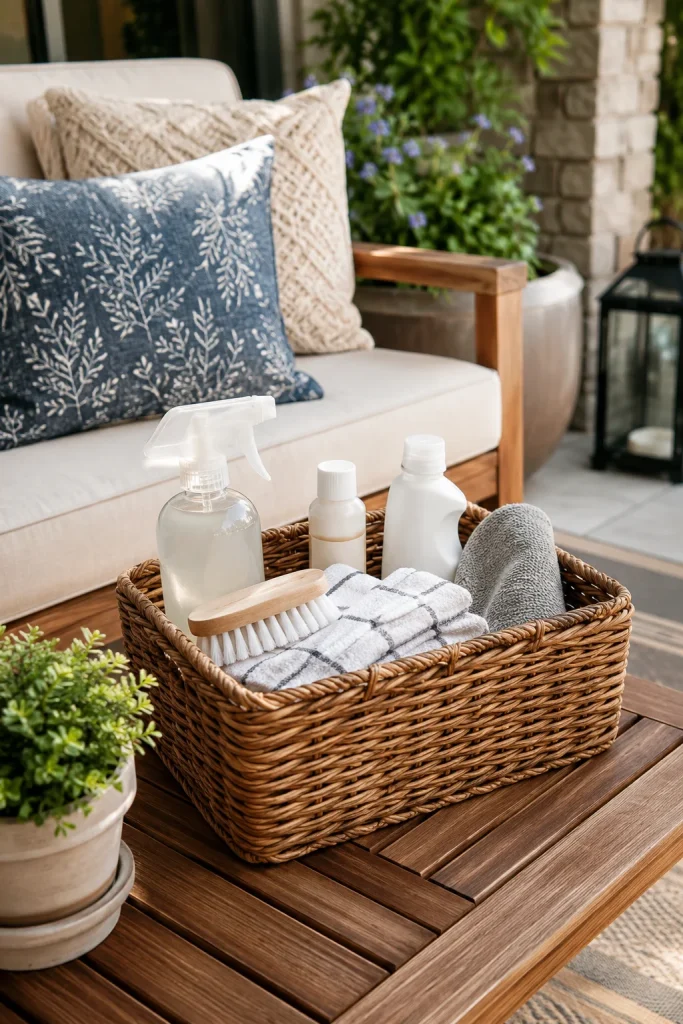
Having a small basket with mild soap, a soft brush, and a microfiber cloth stored near your patio makes quick cleanups much more likely. Spot cleaning spills right away prevents them from becoming deep, set-in stains later. Keep the kit in a shaded area to prevent the products from degrading in the sun. This small setup makes ongoing cushion care effortless.
29. Use Covers or a Pergola for Sun Protection

Prolonged exposure to direct sunlight is one of the biggest causes of cushion fading, even on fabrics labelled fade-resistant. A pergola, umbrella, or retractable awning reduces daily UV exposure and helps colours stay true for longer. This protection also keeps cushions cooler and more comfortable to sit on during peak summer heat. It is a simple addition that protects your whole furniture set.
30. Set a Seasonal Cleaning Schedule
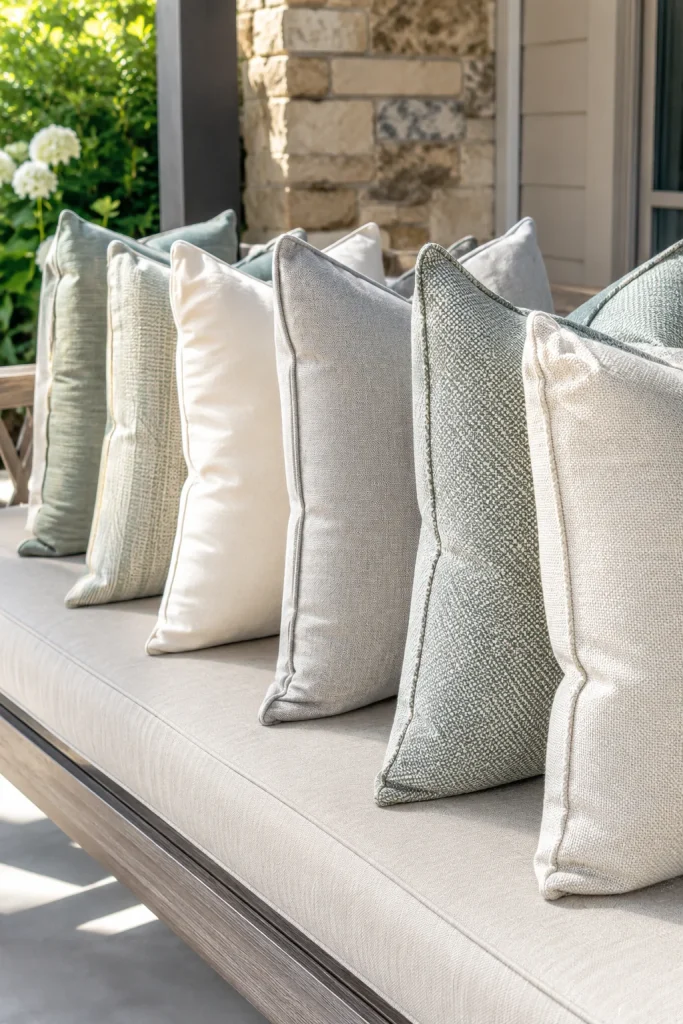
Regularly cleaning cushions, such as once a month during the heavy-use season, prevents dirt and stains from becoming bigger problems. Mark reminders at the start of spring, mid-summer, and before fall storage for the best results. Consistency matters more than intensity when it comes to fabric care. This routine keeps your outdoor space guest-ready all season long.
31. Know When to Replace Instead of Clean
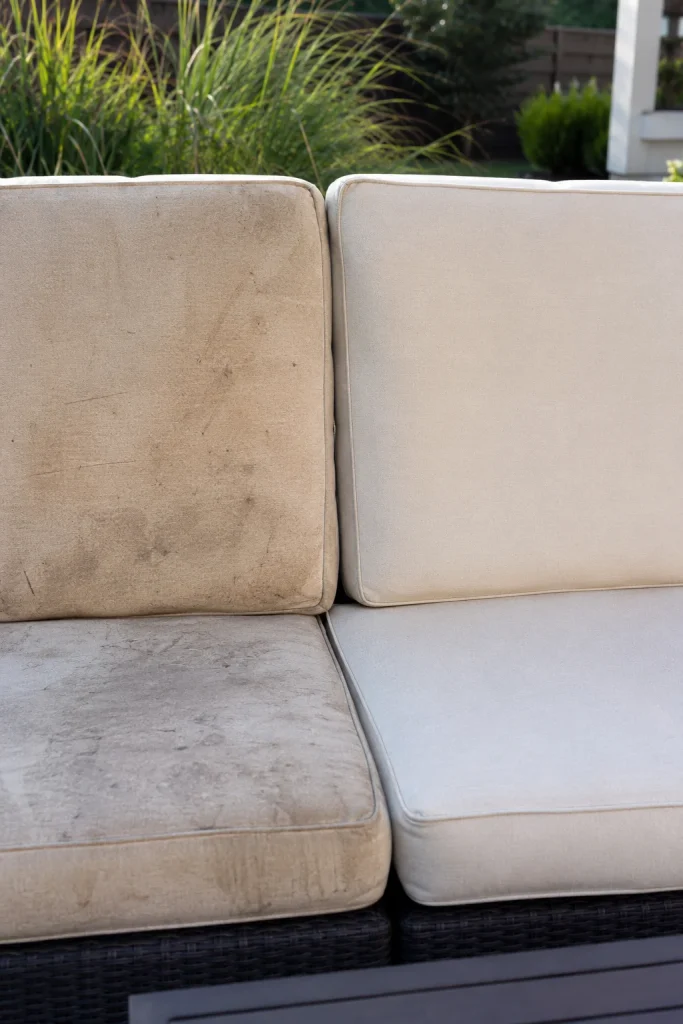
Sometimes fabric becomes too worn, faded, or torn to be cleaned alone and restored, and replacement is the more practical choice. Check foam inserts for permanent mildew smell or crumbling texture, which cleaning cannot fully fix. Recycling old cushions and choosing durable, weather-resistant fabric next time saves money long term. Knowing this difference helps you invest your effort where it truly matters.